

Timeless
A mysterious criminal steals a secret state-of-the-art time machine, intent on destroying America as we know it by changing the past. Our only hope is an unexpected team: a scientist, a…
Coreflix: classic films, adventure series and feel-good television, from Annie Hall, Gentlemen Prefer Blondes and The Odd Couple to Timeless, The Odyssey and Wolf Hall, and where to watch them
178 films and series, 1937 to 2026, chosen for the whole household.
Popular on Coreflix
See all ›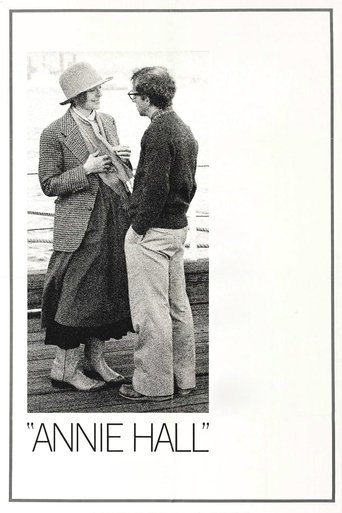 ★ 7.7
★ 7.7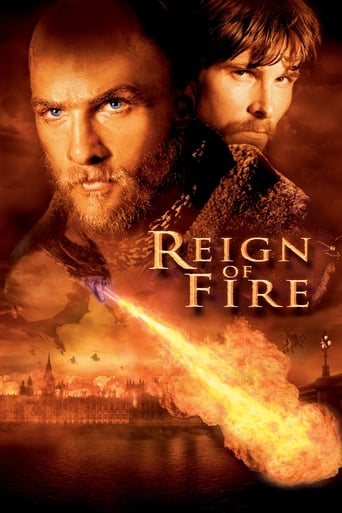 ★ 6.2
★ 6.2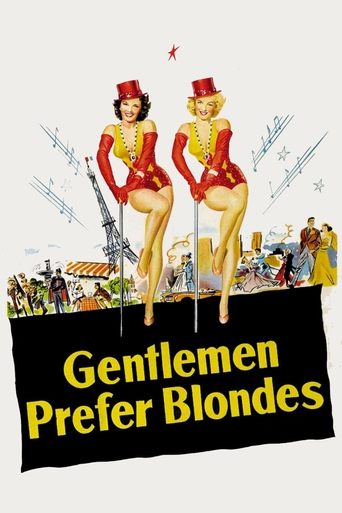 ★ 7.3
★ 7.3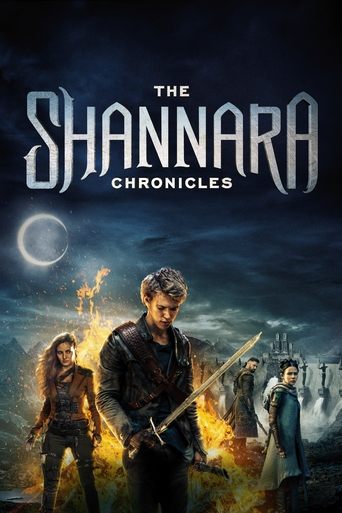 ★ 7.0
★ 7.0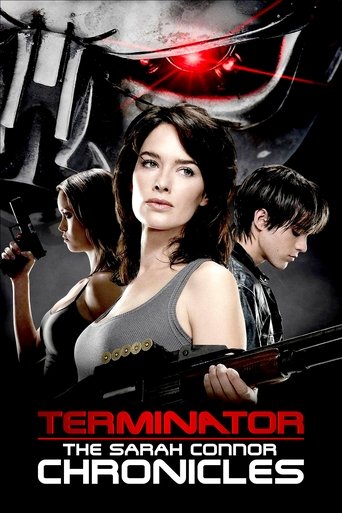 ★ 7.5
★ 7.5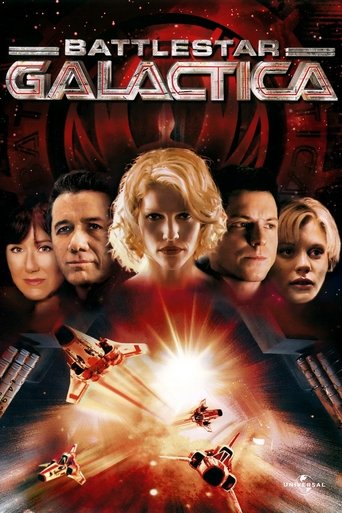 ★ 8.2
★ 8.2 ★ 7.8
★ 7.8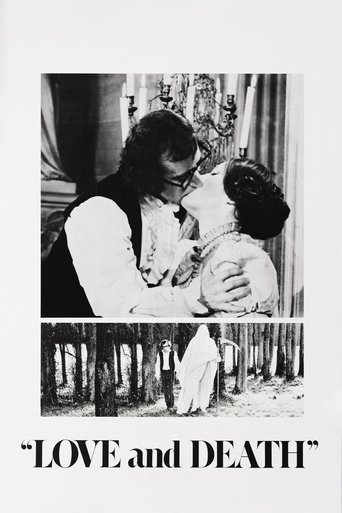 ★ 7.4
★ 7.4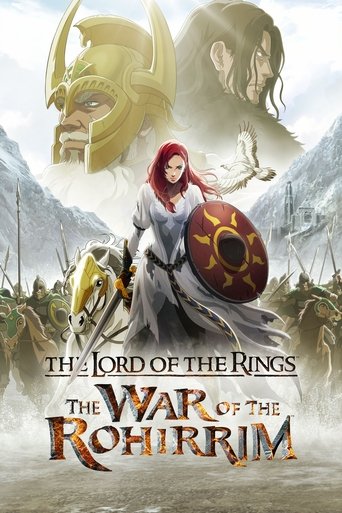 ★ 6.5
★ 6.5Classic Hollywood
See all ›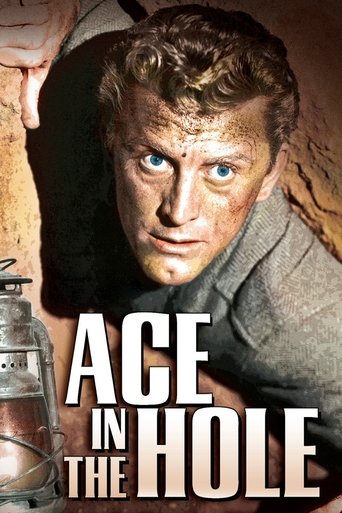 ★ 7.9
★ 7.9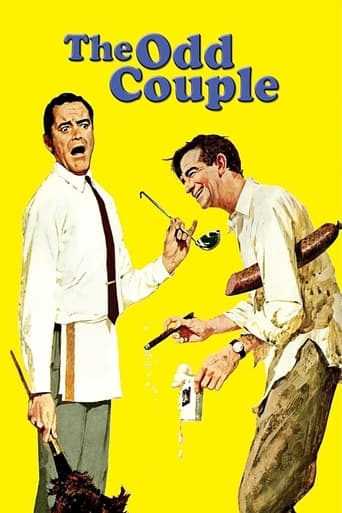 ★ 7.4
★ 7.4 ★ 7.6
★ 7.6 ★ 6.8
★ 6.8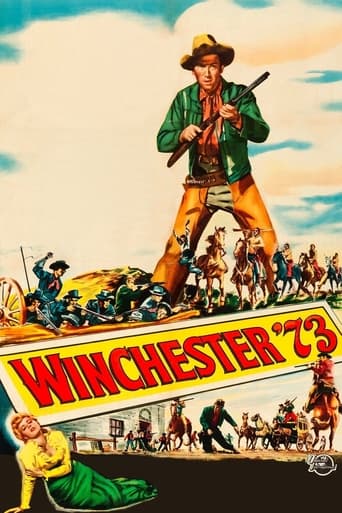 ★ 7.3
★ 7.3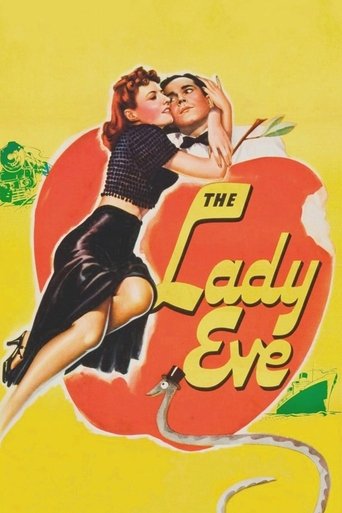 ★ 7.3
★ 7.3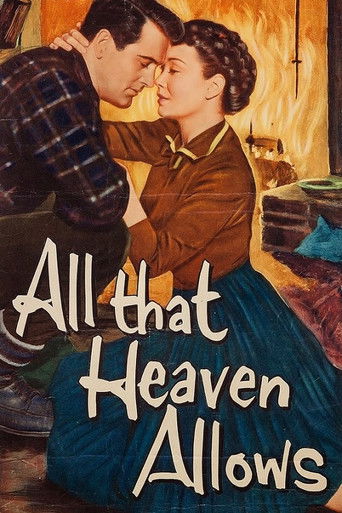 ★ 7.3
★ 7.3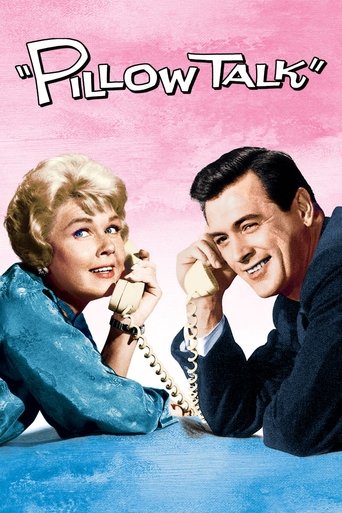 ★ 7.1
★ 7.1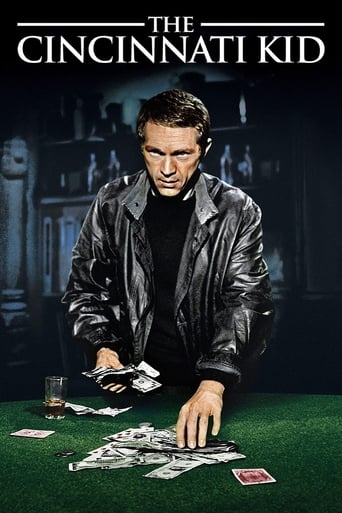 ★ 7.0
★ 7.0Science fiction and fantasy
See all › ★ 7.3
★ 7.3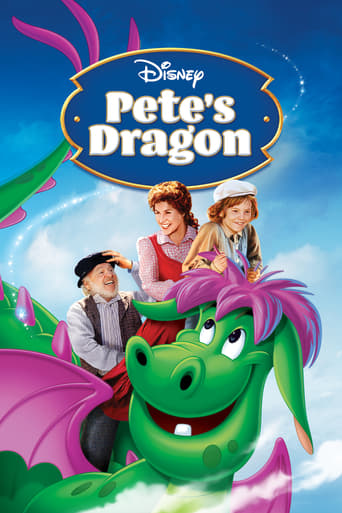 ★ 6.3
★ 6.3 ★ 7.4
★ 7.4 ★ 7.3
★ 7.3 ★ 6.8
★ 6.8 ★ 7.5
★ 7.5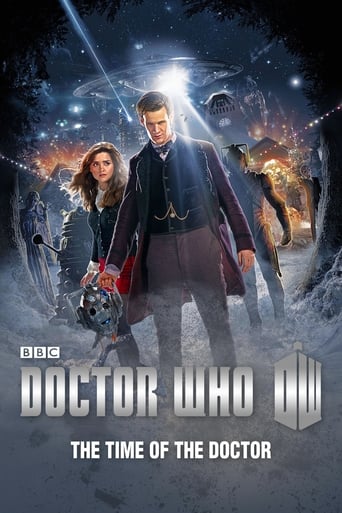 ★ 8.1
★ 8.1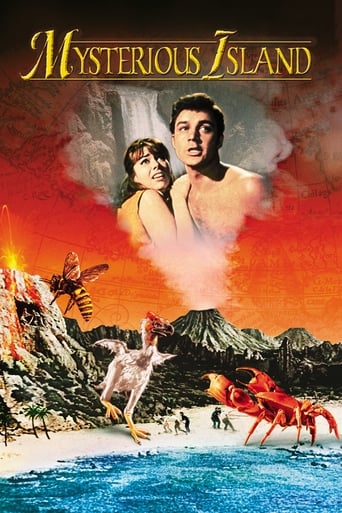 ★ 6.6
★ 6.6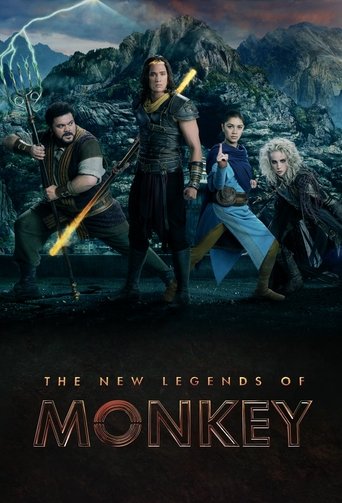 ★ 7.1
★ 7.1Action and adventure
See all › ★ 7.5
★ 7.5 ★ 6.9
★ 6.9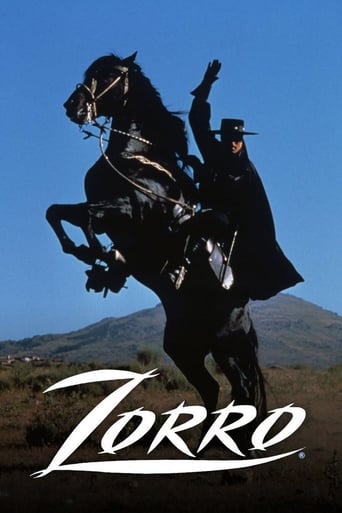 ★ 7.1
★ 7.1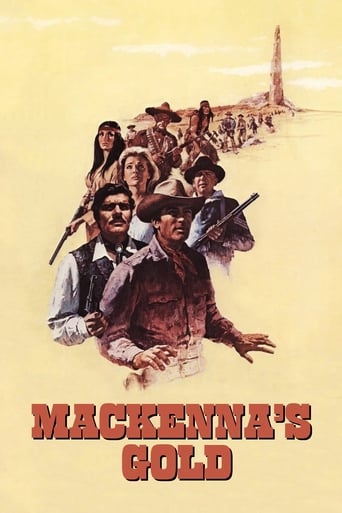 ★ 6.6
★ 6.6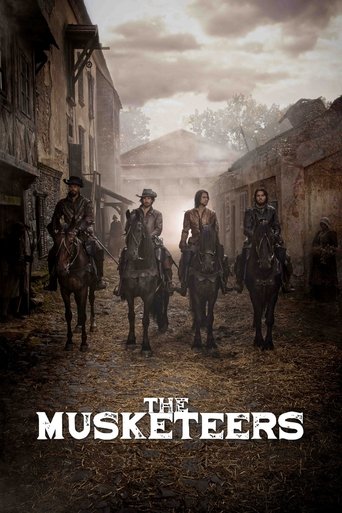 ★ 7.1
★ 7.1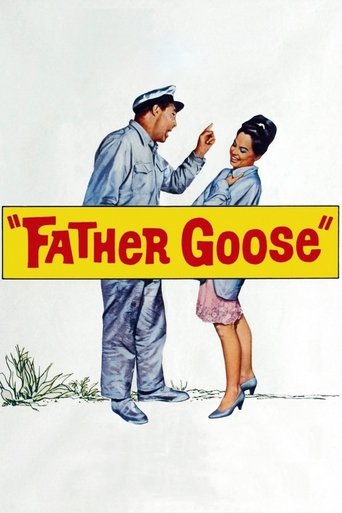 ★ 7.0
★ 7.0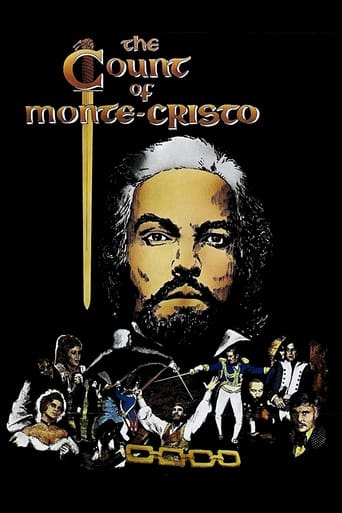 ★ 6.8
★ 6.8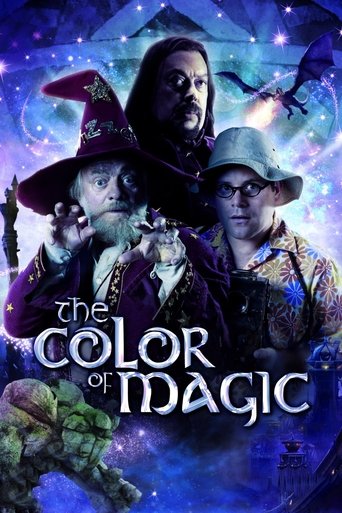 ★ 6.8
★ 6.8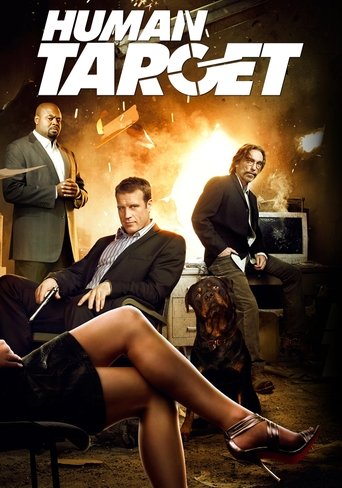 ★ 7.3
★ 7.3Comedy
See all ›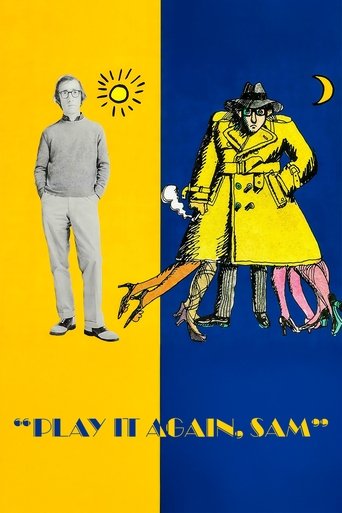 ★ 7.4
★ 7.4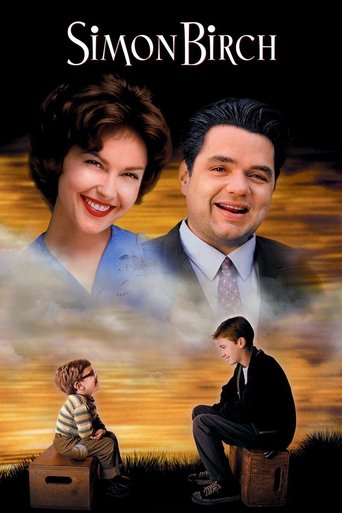 ★ 6.9
★ 6.9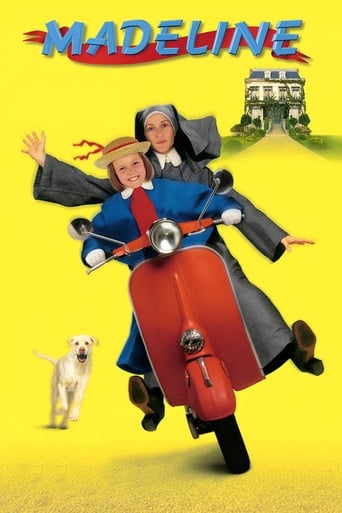 ★ 6.2
★ 6.2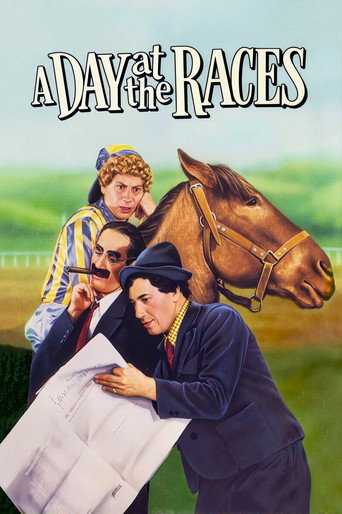 ★ 7.1
★ 7.1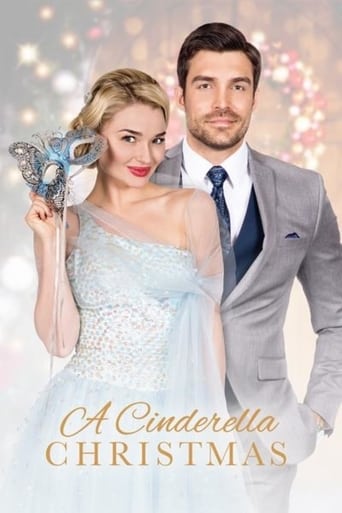 ★ 6.7
★ 6.7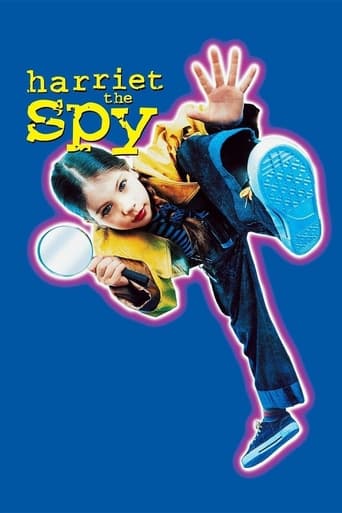 ★ 6.1
★ 6.1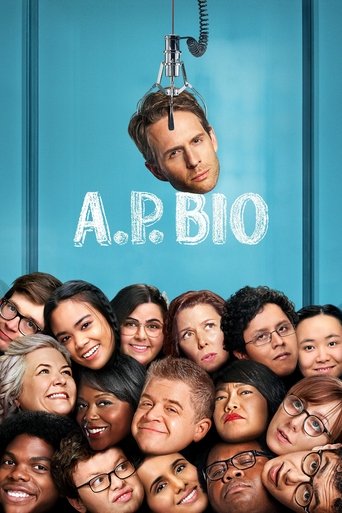 ★ 6.9
★ 6.9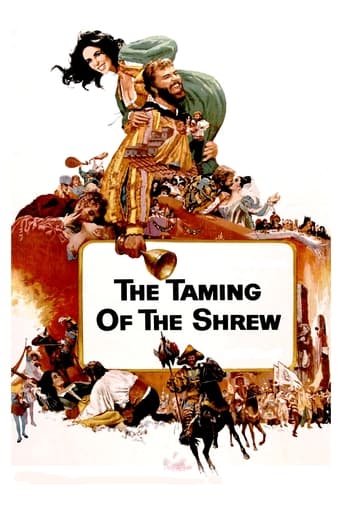 ★ 6.9
★ 6.9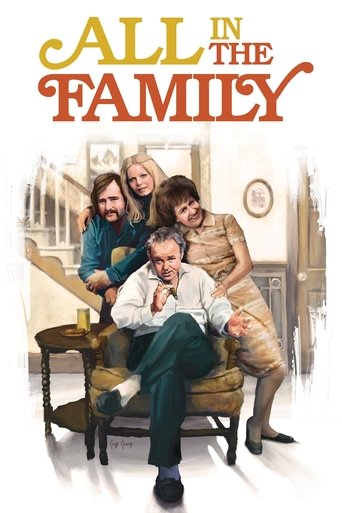 ★ 7.8
★ 7.8Television films
See all ›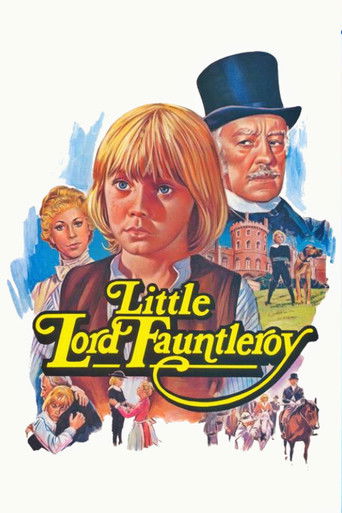 ★ 7.3
★ 7.3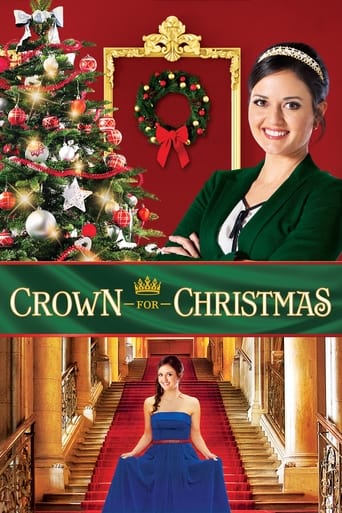 ★ 6.9
★ 6.9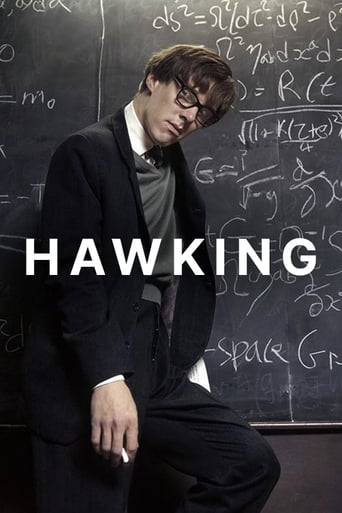 ★ 7.1
★ 7.1 ★ 7.1
★ 7.1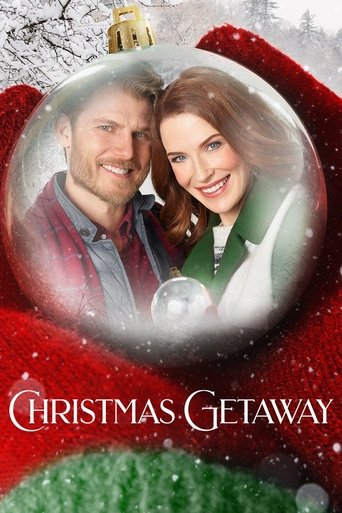 ★ 7.0
★ 7.0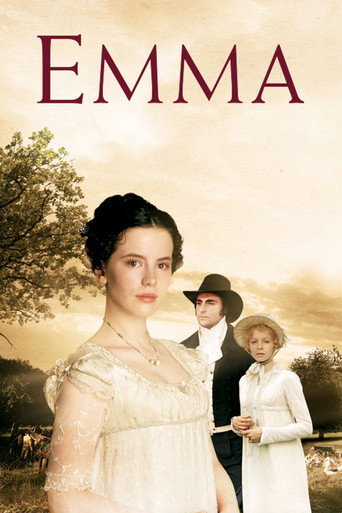 ★ 6.6
★ 6.6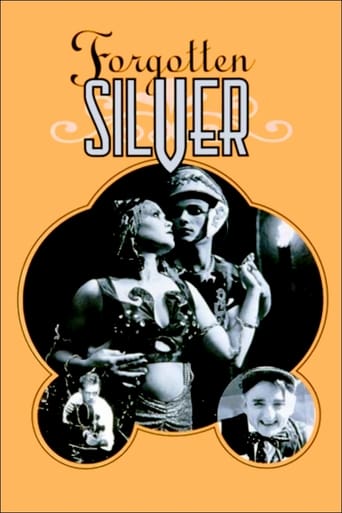 ★ 7.2
★ 7.2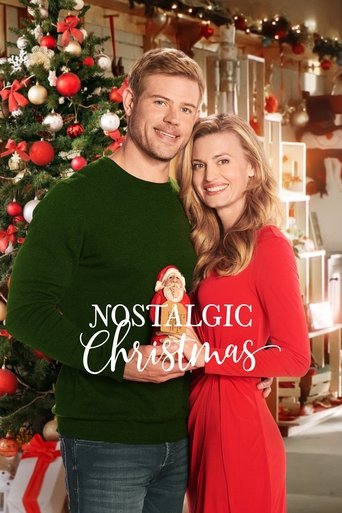 ★ 7.0
★ 7.0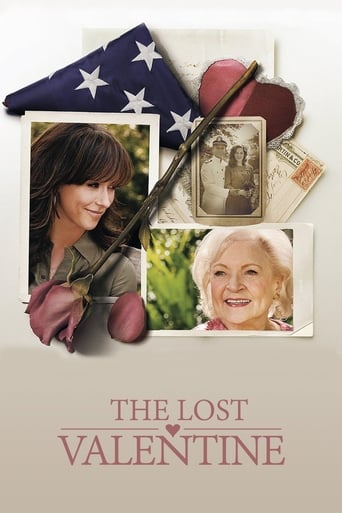 ★ 6.9
★ 6.9Westerns
See all ›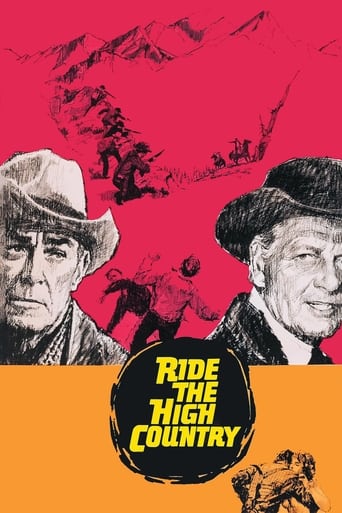 ★ 7.1
★ 7.1 ★ 6.7
★ 6.7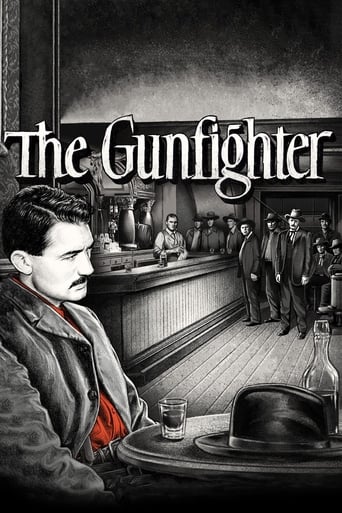 ★ 7.4
★ 7.4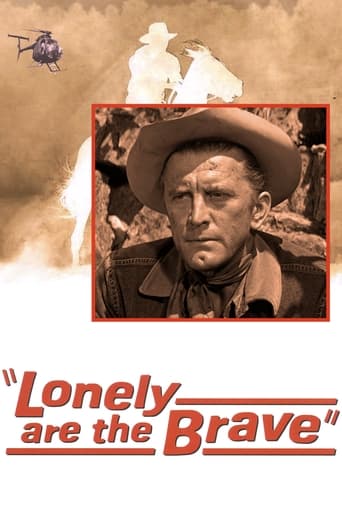 ★ 7.4
★ 7.4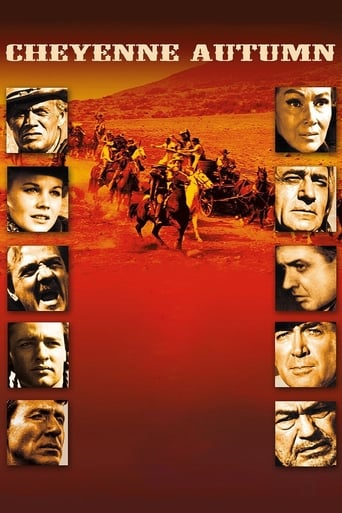 ★ 6.7
★ 6.7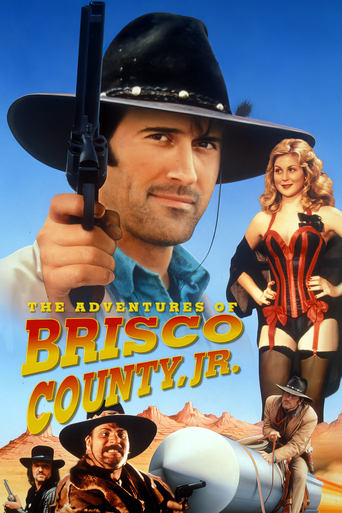 ★ 7.1
★ 7.1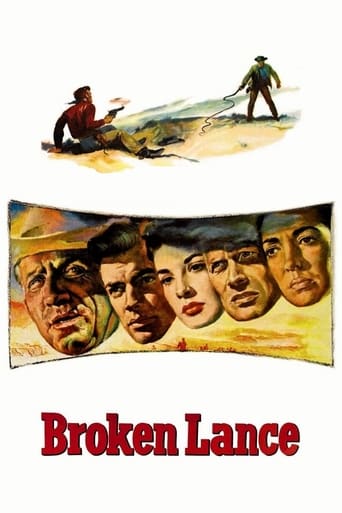 ★ 6.5
★ 6.5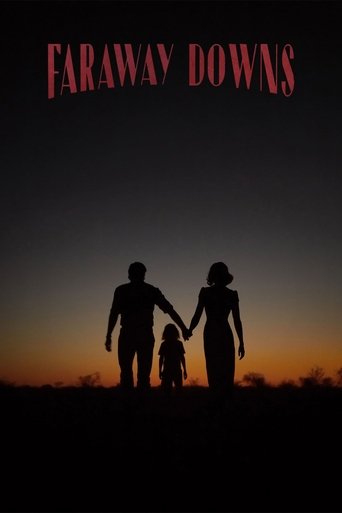 ★ 6.9
★ 6.9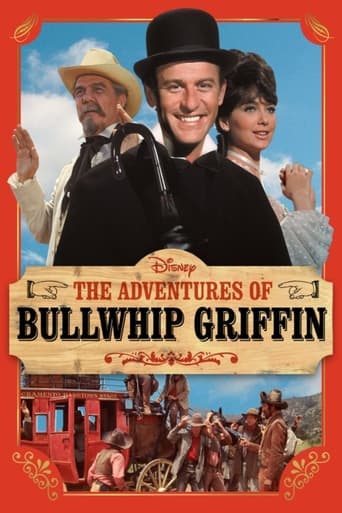 ★ 6.6
★ 6.6For the family
See all ›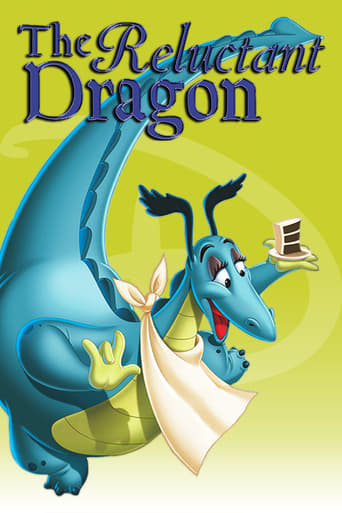 ★ 6.6
★ 6.6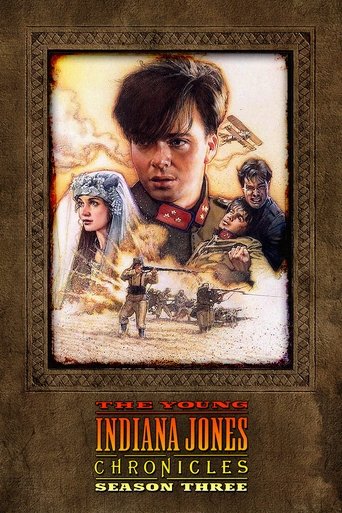 ★ 6.5
★ 6.5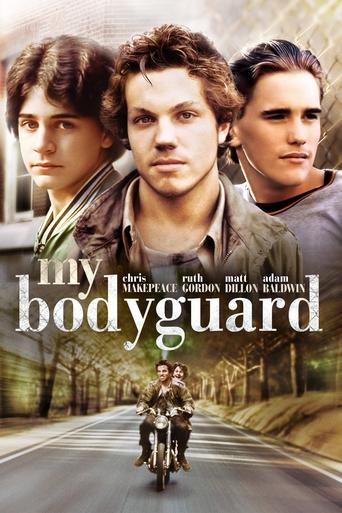 ★ 6.4
★ 6.4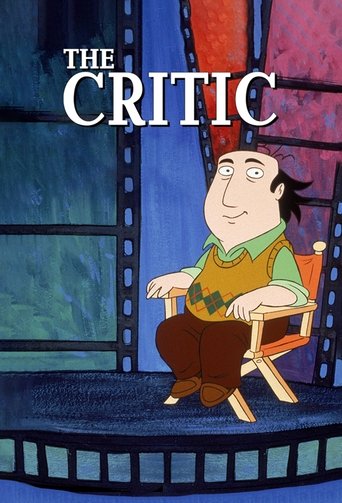 ★ 7.3
★ 7.3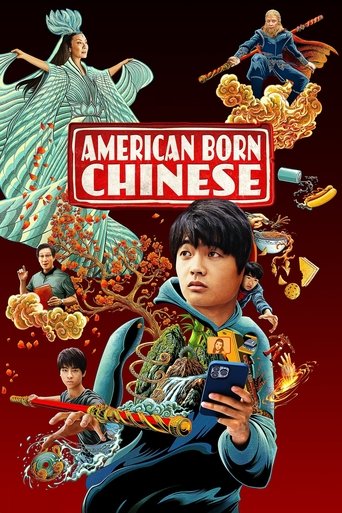 ★ 6.6
★ 6.6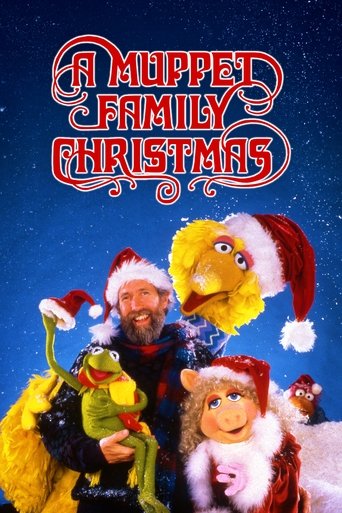 ★ 6.9
★ 6.9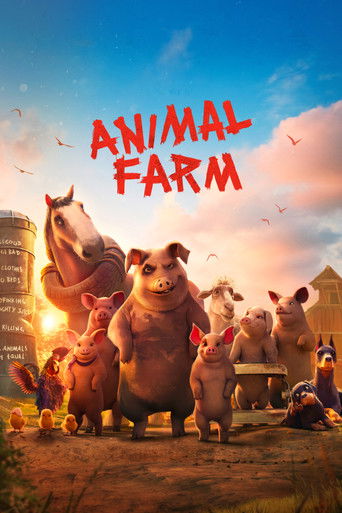 ★ 6.3
★ 6.3 ★ 7.3
★ 7.3 ★ 6.0
★ 6.0Browse by list
Classic HollywoodScience fiction and fantasyAction and adventureComedyDramaRomanceWesternsFamilyMusicTelevision filmsChristmasBritish titlesAll filmsAll seriesBefore 19601960 to 19791980 to 19992000 to 20142015 onwardsTop rated
The Coreflix guide to classic films, adventure series and feel-good television
Coreflix: classic films, adventure series and feel-good television, from Annie Hall, Gentlemen Prefer Blondes and The Odd Couple to Timeless, The Odyssey and Wolf Hall
Every household that loves films ends up with a core collection: the titles that are taken down again and again because somebody wants to laugh, or to ride out with a hero, or simply to spend ninety comfortable minutes in good company. Coreflix is a guide to such a collection. It gathers 178 films and series in three broad shelves, the comedies, romances and westerns of classic Hollywood, the science fiction and adventure series that television does so well, and the feel-good films made for the small screen, and every one of them was chosen so that the whole family can watch.
The catalogue runs from 1937 to 2026 and holds 112 films and 66 series. Forty-eight of the films were made before 1970, in the decades when the American studios were at the height of their craft; forty-four are television films; forty-nine titles are science fiction or fantasy, and forty-seven are tales of action and adventure. This guide walks along each shelf in turn, then picks out the comedies, the love stories, the westerns, the British titles, the Christmas films and the choices for children, and ends with notes for parents, an account of how search and My List work, and a plan for a first fortnight.
What Coreflix is
Coreflix is a viewing guide, and its pages hold descriptions in place of video. Each title has a page with the story, the year, the running time or the number of seasons and episodes, the director or creator and the leading cast. The Watch now button on that page opens JustWatch, an independent directory of official services, for the country you choose, and JustWatch shows which subscriptions include the title and where it may be rented or bought. The how to watch page sets out the steps.
Every summary was read by hand before a title was admitted. Crime stories, films of the battlefield, horror, devotional pictures and dramas made for adults were left out. A classic film was kept only if it could be shown to a twelve-year-old with pleasure on both sides, and a series only if its adventures stay on the right side of a family certificate.
Where to begin
Begin in 1941 with The Lady Eve, which many critics consider the most perfect comedy Hollywood ever made. Charles Pike, heir to a brewing fortune, has spent a year up the Amazon studying snakes and is sailing home, shy, earnest and very rich. On the same liner are a silver-haired card sharp and his daughter Jean, who drops a shoe in Charles's path and has him dizzy with love by the second evening. Then she falls for him in earnest, he learns what she does for a living, and the second half of the film is her magnificent campaign to win him back under another name. Barbara Stanwyck and Henry Fonda are the pair, and the writer and director Preston Sturges gives every waiter and valet a line worth remembering.
For a first series choose Timeless. A stolen time machine is loose in American history, and the only people who can follow it are a history professor, a soldier and the engineer who helped to build the first machine. Each week the three of them land at a famous moment, the last flight of a great airship, the night of a president's visit to the theatre, the launch of a moon rocket, and must work out what the fugitive intends to change. The costumes are lavish, the history is real, and the series wears its learning lightly. It ran for twenty-six episodes and a concluding film-length special.
For the youngest viewers choose Pete's Dragon, the Disney musical of 1977. Pete is an orphan on the run from a family of rough hill folk, and his only friend is Elliott, a large green dragon with pink hair who is invisible when he chooses to be and clumsy at all times. The two fetch up in a Maine fishing village, where a lighthouse keeper's daughter takes the boy in and nobody believes in the dragon until they need him. Elliott is a cartoon moving among real actors, a trick the studio did better than anyone, and the song about a candle on the water was nominated for an Academy Award.
Classic Hollywood
Forty-eight films date from 1937 to 1969, and the classic Hollywood guide sorts them into comedy, drama and song. The comedies come first, because this is what the studios did best. Bluebeard's 8th Wife, directed by Ernst Lubitsch in 1938, opens with one of the best meetings in cinema: an American millionaire in a shop on the Riviera wishes to buy only the top half of a pair of pyjamas, and a young Frenchwoman steps up to take the trousers. He is Gary Cooper, she is Claudette Colbert, and it turns out that he has been married seven times already. A Day at the Races is the Marx Brothers at full strength, with Groucho as Dr Hackenbush, a horse doctor who finds himself in charge of a sanatorium for wealthy humans. Bob Hope is a cowardly actor at sea among buccaneers in The Princess and the Pirate.
The fifties brought colour, wide screens and Marilyn Monroe. In Gentlemen Prefer Blondes, directed by Howard Hawks, she and Jane Russell are two showgirls from Little Rock crossing the Atlantic to Paris, one with her mind on diamonds and the other on the Olympic team in the next cabin. The number in the pink dress, about a girl's best friend, has been copied by every pop star since. How to Marry a Millionaire gives Monroe, Lauren Bacall and Betty Grable a rented penthouse and a plan, and lets Monroe steal the film as a short-sighted beauty who refuses to wear her glasses. Pillow Talk, from 1959, began the partnership of Doris Day and Rock Hudson: an interior decorator and a songwriter share a telephone line, loathe each other by voice alone, and meet in person under false pretences. It won the Academy Award for its screenplay. What a Way to Go! gives Shirley MacLaine a succession of husbands, among them Paul Newman, Robert Mitchum, Dean Martin and Gene Kelly, each of whom becomes inconveniently rich, and Father Goose strands Cary Grant, as an unshaven beachcomber, on a Pacific island with a French schoolmistress and seven small girls.
The dramas of the period are just as rewarding. Ace in the Hole, made by Billy Wilder in 1951, is a film about the news business that has kept all of its bite. A reporter sacked from every big-city paper is stuck in New Mexico when he hears of a man trapped by a rock fall, and he sees that the story, properly managed, could last a week; soon there is a funfair at the cave mouth. Kirk Douglas is ferocious in the part. Sweet Smell of Success takes place over two nights on Broadway, where a hungry press agent, played by Tony Curtis, runs errands for the most feared newspaper columnist in New York, played by Burt Lancaster; the dialogue crackles and the night photography of the city is glorious. In A Face in the Crowd a radio reporter discovers a guitar-playing drifter with a gift for talking to ordinary people, and watches television turn him into a power in the land. All three are best for teenagers and adults, and all three seem more up to date with every year.
A Raisin in the Sun films Lorraine Hansberry's play about the Younger family of Chicago, three generations in a small flat, and the insurance cheque that could buy a house, a business or a medical education, depending on whose dream is to come first. Sidney Poitier leads the original stage cast. All That Heaven Allows, by Douglas Sirk, is a romance in autumn colours between a well-to-do widow and the younger man who prunes her trees, and a gentle rebuke to the town that disapproves. The Long, Hot Summer brought Paul Newman and Joanne Woodward together in a Mississippi tale drawn from William Faulkner, with Orson Welles as the local landowner. Wild River sends a young official to Tennessee in the 1930s to persuade an old woman to leave her island before a new dam floods it. The Valley of Decision, Mr. Skeffington, The Razor's Edge, History Is Made at Night and Jean Renoir's The River, filmed in India in radiant colour, are further pleasures from the studio years, and On Borrowed Time is a fable in which a grandfather traps Death himself up an apple tree.
The sixties are represented by The Best Man, a drama of two candidates at a party convention written by Gore Vidal; Fate Is the Hunter, in which an airline executive retraces a pilot's last day; The Cincinnati Kid, with Steve McQueen as a young poker player challenging the old master; David and Lisa, a tender story of two teenagers at a special school; The Day the Earth Caught Fire, a British science-fiction film told from a newspaper office; and The Odd Couple, of which more below.
Song and dance
Twelve titles are musicals or musical specials, and the music guide lists them. Yankee Doodle Dandy is the life of George M. Cohan, the songwriter, dancer and showman who more or less invented the Broadway musical, and it gave James Cagney, famous for tough-guy roles, the chance to show that he was first of all a hoofer. His stiff-legged dance down the White House staircase is pure joy, and he won the Academy Award. Ziegfeld Girl follows three young women chosen for the most glamorous stage show in New York, played by Judy Garland, Hedy Lamarr and Lana Turner, with James Stewart as a lorry driver left behind. Sweet Charity, the first film directed by the choreographer Bob Fosse, stars Shirley MacLaine as a dance-hall hostess with a heart too big for her own good; its rooftop and ballroom numbers changed the way dance was filmed.
Later entries include The Sound of Music Live!, a television staging of the stage musical, Beauty and the Beast: A 30th Celebration, The Last of the Blonde Bombshells, in which Judi Dench plays a widow who sets out to reunite the dance band she played in as a girl, and The Rutles: All You Need Is Cash, Eric Idle's affectionate mock history of a pop group from Liverpool whose legend will last a lunchtime, with pitch-perfect songs by Neil Innes.
Westerns
Fifteen titles are westerns, and the westerns guide introduces them. The year 1950 changed the genre, and three films from that year are here. Winchester '73 follows a prized rifle, won in a shooting contest in Dodge City, as it passes from hand to hand across the frontier, with James Stewart in pursuit of the man who took it from him; it was the first of his five westerns with the director Anthony Mann and gave the amiable star a new, harder edge. Broken Arrow casts Stewart as a former army scout who rides alone into the stronghold of the Apache leader Cochise to talk peace, and was among the first Hollywood films to treat Native Americans as people with a case. The Gunfighter stars Gregory Peck as the fastest gun in the territory, who would give anything to be allowed to stop.
Broken Lance gives Spencer Tracy a grand role as a cattle baron at odds with his sons. Ride the High Country, an early film by Sam Peckinpah, sends two ageing lawmen, played by the veteran western stars Randolph Scott and Joel McCrea, to escort a gold shipment down from a mining camp, and is an elegy for the old West and for the men who played it. Lonely are the Brave, which Kirk Douglas considered his best film, is about a cowboy in the 1960s who still refuses to carry identification or respect a fence. Cheyenne Autumn was the director John Ford's last western, a sombre account of a people's long walk home. Mackenna's Gold is a treasure hunt on the grand scale, Arizona stars Jean Arthur as a frontier businesswoman who bakes pies and runs freight wagons in the Tucson of 1860, and Disney's The Adventures of Bullwhip Griffin sends a Boston butler to the California gold rush.
On television, Centennial tells the history of one Colorado town across two centuries in twelve long chapters, from the novel by James Michener; it was among the most ambitious series of the 1970s. The Adventures of Brisco County, Jr. is a western with its tongue in its cheek, starring Bruce Campbell as a Harvard-educated bounty hunter with a very clever horse. Faraway Downs is an Australian cattle-drive epic with Nicole Kidman and Hugh Jackman, retold in six chapters, and Dr. Quinn, Medicine Woman: The Heart Within and Little House: Look Back to Yesterday are film-length returns to two much-loved frontier series.
Science fiction and fantasy
Forty-nine titles belong to science fiction and fantasy, and the science fiction guide arranges them by theme. Time travel is the first. Besides Timeless there is Goodnight Sweetheart, a British comedy in which a television repairman, lost in the back streets of east London, walks through an alley into the year 1940 and begins a double life in two decades. The two Doctor Who: The Time of the Doctor and Doctor Who: Time Crash specials come from the longest-running science-fiction series in the world, and Sapphire & Steel, with Joanna Lumley and David McCallum as two mysterious agents sent to mend breaks in time, is the strangest and most atmospheric programme British television made in the 1970s.
Space and the future form the second group. Battlestar Galactica, the two-part story of 2003 that relaunched a famous title, begins on the day an ageing warship is to be turned into a museum and ends with her leading the last survivors of twelve worlds in search of a home called Earth. Blake's 7, created by Terry Nation, follows a band of rebels in a stolen alien ship, and is loved for its sharp dialogue and for Avon, the coldest computer expert in the galaxy. Dark Angel, devised by the director James Cameron, made a star of Jessica Alba as a genetically enhanced courier in a near-future Seattle, and Terminator: The Sarah Connor Chronicles continues the story of a mother protecting her teenage son from machines sent back to find him. Logan's Run, Quatermass, Alphas, Jake 2.0, Now and Again, The Invisible Man and Misfits of Science are further series about people with unusual gifts, and Surface and Primeval about creatures that turn up far from where they belong, in the sea off California and in the Forest of Dean respectively. The Hot Zone dramatises the work of the scientists who identified a dangerous virus near Washington in 1989.
The anthology is a form that television science fiction made its own. The Ray Bradbury Theater presents sixty-five tales introduced, and adapted, by the author himself, and Amazing Stories is a recent set of five wonder tales produced by Steven Spielberg. Among films, Mysterious Island is Jules Verne with giant creatures animated by the great Ray Harryhausen, and Reign of Fire imagines an England in which dragons have woken beneath London.
Myth and magic complete the shelf. The Odyssey, made in 1997 on locations around the Mediterranean, tells Homer's story in two long parts, with Armand Assante as the wanderer and a cast of monsters built by the Jim Henson workshop; it remains the best screen version of the poem. The Colour of Magic films the first two of Terry Pratchett's Discworld novels, with David Jason as an incompetent wizard and Sean Astin as the world's first tourist. The Shannara Chronicles, from the novels of Terry Brooks, is an epic of elves and quests filmed in New Zealand, The New Legends of Monkey retells a Chinese classic for younger viewers, The Pendragon Cycle: Rise of the Merlin returns to the legends of Arthur, and The Lord of the Rings: The War of the Rohirrim is an animated tale of the riders of Rohan set long before the famous quest. Robin of Sherwood, made in the 1980s with a haunting score, gave the outlaw legend a mystical turn that every later version has borrowed.
Action and adventure
Forty-seven titles are tales of action and adventure, and the adventure guide divides them into swashbucklers, explorers and agents. The swashbuckler was invented for Errol Flynn, and Adventures of Don Juan is his farewell to the form, a tongue-in-cheek romp in gorgeous colour with one of the best staircase duels ever filmed. The Musketeers retells Dumas for television in three seasons of swordplay and intrigue, and Zorro, which ran for eighty-eight episodes, is the definitive small-screen version of the masked horseman of Spanish California. Richard Chamberlain is the wronged sailor of The Count of Monte-Cristo.
The explorers are led by The Young Indiana Jones Chronicles, in which George Lucas sent his hero, as a boy of nine and a youth of seventeen, around the world to meet the great figures of the early twentieth century; the series was designed to slip history lessons into an adventure, and succeeds. Tales of the Gold Monkey is set in the South Pacific in 1938, where a seaplane pilot and his one-eyed dog fly cargo between the islands. Nautilus imagines the early life of Captain Nemo, an Indian prince who steals a submarine from his captors, and Renegade Nell the adventures of a quick-witted young woman of 1705 who takes to the highway with a little supernatural help. Sea Patrol follows the crew of an Australian navy patrol boat.
The agents and heroes include The New Avengers, the 1976 return of the bowler-hatted John Steed with two younger partners; Covert Affairs and Human Target, two polished American adventure series; The Flash, the 1990 version of the scarlet speedster; Kung Fu: The Legend Continues; and Emergency!, which followed two Los Angeles paramedics through 128 episodes in the 1970s and is credited with encouraging towns across America to set up ambulance services of their own.
Comedy
Seventy-one titles are comedies, and the comedy guide arranges them by kind. The Odd Couple, from 1968, is the gold standard of the two-handed comedy. Felix, a fussy newswriter, has been asked to leave by his wife; Oscar, a cheerful slob of a sportswriter, takes him in. Within a week Felix is cooking, cleaning and coasters-under-the-glasses, and Oscar is ready to throw him out of the eighth-floor window. Jack Lemmon and Walter Matthau were born to play the parts, and Neil Simon's lines are still quoted by people who have forgotten where they come from.
Woody Allen's films of the 1970s remain the funniest of their kind. Play It Again, Sam gives a jilted film critic the ghost of Humphrey Bogart as a romantic adviser. Love and Death is a send-up of the great Russian novels, in which a cowardly scholar is swept into the Napoleonic era and argues philosophy with his cousin at every opportunity. Annie Hall, which won the Academy Award for best picture in 1978, is the story of a comedian and a singer from Wisconsin, told out of order, with subtitles revealing what the characters really think and a famous scene involving lobsters. Diane Keaton won the best actress award and started a fashion in ties and waistcoats. It is best for older teenagers and adults, who will recognise a good deal of it.
American television comedy is represented at its most influential. All in the Family, which ran for nine seasons from 1971, put a loud, opinionated dock foreman named Archie Bunker in an armchair in Queens and let him argue about everything with his liberal son-in-law, while his wife Edith kept the peace. It was the most watched programme in America for five years running and changed what a situation comedy was allowed to discuss. Maude, with Bea Arthur as Edith's outspoken cousin, grew out of it. Martin was among the defining comedies of the 1990s, with Martin Lawrence as a Detroit radio host and in half a dozen other roles besides. Two Guys and a Girl gave an early part to Ryan Reynolds, The Tracey Ullman Show displayed its star's gift for characters, The Critic is an animated series about a New York film reviewer with exacting standards, A.P. Bio plants a disgraced philosophy scholar in an Ohio high school, and Documentary Now! lovingly imitates a different famous documentary in every episode.
British comedy contributes The Office, the original twelve episodes written by Ricky Gervais and Stephen Merchant about a paper merchant's branch in Slough and its attention-seeking manager, which invented a style that half the world's sitcoms now use; The Mighty Boosh, a surreal musical comedy about two zookeepers; and Red Dwarf: The Promised Land, a film-length reunion for the crew of the mining ship lost in deep space. The Guild, made for the web on a tiny budget, follows a group of online gamers who meet in person for the first time.
Romance
Forty-nine titles are love stories, and the romance guide suggests a route. The costume romance is well served. Far from the Madding Crowd, filmed in 1967 in the Dorset countryside where Thomas Hardy set it, stars Julie Christie as Bathsheba Everdene, a young woman who inherits a farm and is courted by a patient shepherd, a wealthy neighbour and a dashing sergeant. Emma, the 1996 television version with Kate Beckinsale, is the most faithful adaptation of Jane Austen's comedy about a clever young woman who arranges everyone's heart but her own. Elizabeth Taylor and Richard Burton throw crockery with gusto in The Taming of the Shrew, and in A Little Chaos, directed by Alan Rickman, Kate Winslet plays a gardener hired to build an outdoor ballroom at the palace of Versailles.
Chilly Scenes of Winter is a small, truthful comedy of the 1970s about a civil servant still devoted to a lost love, and The Effect of Gamma Rays on Man-in-the-Moon Marigolds, directed by Paul Newman, a portrait of a difficult mother and the shy daughter whose school science project gives the film its title. Goodrich, from 2024, stars Michael Keaton as an art dealer of sixty who must suddenly learn to look after his nine-year-old twins, with the help of his grown-up daughter.
Films made for television
Forty-four titles were made for television, and the television films guide describes them. The best television films are character studies too modest in scale for the cinema to finance. Door to Door tells the true story of Bill Porter, a man born with cerebral palsy who was told he was unemployable and became, by sheer persistence and courtesy, the most successful door-to-door salesman in the American north-west. William H. Macy, who also co-wrote the script, is superb, and the film won six Emmy awards. Hawking, made by the BBC in 2004, shows the young physicist at Cambridge in 1963, receiving a grave diagnosis in the same months in which he has his first great idea; it was the first leading role for Benedict Cumberbatch. In Tuesdays with Morrie a busy sportswriter visits his old professor every week, and Jack Lemmon, in his last major part, makes each visit count. Truman, with Gary Sinise, follows a Missouri shopkeeper to the presidency.
A group of television films forms a series in its own right. Signed, Sealed, Delivered introduces four employees of the dead letter office in Denver, the place where undeliverable post ends up, who make it their mission to trace the people the letters were meant for. Each film is a gentle detective story with a letter at its centre, and the catalogue holds four of them, including Signed, Sealed, Delivered for Christmas, Signed, Sealed, Delivered: Truth Be Told and Signed, Sealed, Delivered: The Impossible Dream.
The classics have often been well served by television. Little Lord Fauntleroy, the 1980 version, pairs the child actor Ricky Schroder with Alec Guinness as the crusty English earl whose American grandson melts his heart. The Life and Adventures of Nicholas Nickleby and Wuthering Heights are careful British adaptations, and The Watsons Go to Birmingham films a much-loved children's novel about a family's car journey from Michigan to Alabama in the summer of 1963. Forgotten Silver is a delicious hoax: a documentary, co-directed by Peter Jackson, about a New Zealand film pioneer who invented colour, sound and the tracking shot years before anyone else and was then entirely forgotten. The Lost Valentine, Autumn Stables, Yellowstone Romance, Dear Viola and My Norwegian Holiday are romances in the comfortable manner of the weekend television film.
Christmas
Eighteen titles are seasonal, and the Christmas guide lists them. The television Christmas romance has become a genre with rules as strict as a sonnet: a busy professional, a small town or a foreign castle, a misunderstanding at the three-quarter mark and snow at the end. Crown for Christmas sends a New York hotel maid to be governess to a European princess, A Cinderella Christmas hides its heroine behind a mask at a ball, Christmas in Rome and Christmas Getaway add travel, and The Nine Lives of Christmas brings a fireman and a veterinary student together over a stray cat. Snowed Inn Christmas, Mingle All the Way, Write Before Christmas, Nostalgic Christmas, Christmas on Ice and Operation Nutcracker ring the changes.
Two comedies stand out: Three Wise Men and a Baby, in which three brothers of very different temperaments find an infant on the doorstep a week before the holiday, and its sequel Three Wiser Men and a Boy. A Very Jonas Christmas Movie strands the three singing brothers in Europe on their way home, and the specials A Muppet Family Christmas, which gathers the puppets of three different programmes under one snowbound roof, and Mariah Carey's Magical Christmas Special are for all ages.
British titles
Thirty-one titles were made in Britain, and the British titles guide gathers them. The outstanding one is Wolf Hall. Adapted from the novels of Hilary Mantel, it follows Thomas Cromwell, a blacksmith's son from Putney, as he rises to become the most powerful servant of King Henry VIII. Mark Rylance plays Cromwell as a man who watches everything and says little, Damian Lewis is the king, and the candlelit rooms look like paintings by Holbein come to life. Two seasons of six episodes each tell the whole story, and it is as fine a historical drama as television has produced; the politics are intricate, and it suits viewers of about fourteen and over. The Spanish Princess tells the earlier story of Catherine of Aragon's arrival in England as a girl of fifteen.
British science fiction has a character all of its own, inventive, talkative and made on a shoestring. Blake's 7, Sapphire & Steel and Quatermass are the classics, Primeval the modern crowd-pleaser, and The Day the Earth Caught Fire the best British science-fiction film of its period, with real Fleet Street journalists playing themselves. The New Avengers and Robin of Sherwood supplied Saturday-evening adventure to a generation, and Nautilus and Renegade Nell do the same today.
Family viewing
Thirty-seven titles are suggested for watching with children, and the family viewing guide sorts them by age. The Disney studio is the natural place to start. Besides Pete's Dragon there is So Dear to My Heart, a mixture of live action and animation about a country boy who raises a black lamb and dreams of taking it to the county fair, which Walt Disney counted among his own favourites; The Reluctant Dragon, in which the humorist Robert Benchley wanders through the real Disney studio and learns how cartoons are made; and The Wonderful World of Disney, the long-running Sunday programme of family films. Triplet Trouble is a seven-minute cartoon with a famous cat and mouse.
Children of about eight and over will enjoy Madeline, from the picture books about twelve little girls in a Paris boarding school; Harriet the Spy, about an eleven-year-old who writes down everything she sees in a notebook and learns what happens when her friends read it; and Little Lord Fauntleroy. My Bodyguard is a fine film about a new boy at a Chicago school who hires the biggest pupil in the class to protect him, and Simon Birch a touching story of two friends in a small New England town. Animal Farm, the 2026 animated version of George Orwell's fable, is for older children who are ready to talk about it afterwards.
Among the series, American Born Chinese is an action comedy about a schoolboy whose new classmate turns out to be the son of a mythological king; Gamer's Guide to Pretty Much Everything, Big Wolf on Campus, Chicken Girls and Vampirina: Teenage Vampire are for the nine-to-twelves; The Tribe, made in New Zealand, imagines a city run entirely by teenagers; and Heartbreak High is the Australian school drama of the 1990s. Zorro, The Young Indiana Jones Chronicles and Renegade Nell are adventures that parents will enjoy just as much.
Books on the screen
A good third of the catalogue began on the page, and the books on screen guide pairs each title with its source. Homer, Shakespeare, Dumas, Dickens, Austen, Emily Brontë, Hardy and Jules Verne are all here, alongside the modern classics of Hilary Mantel, Terry Pratchett and George Orwell. The American stage supplied A Raisin in the Sun, The Odd Couple and The Best Man; the American novel The Razor's Edge, from Somerset Maugham, and Centennial; and the picture book Madeline and Harriet the Spy. Reading the book first, or straight afterwards, doubles the pleasure of any of them, and the two-part The Odyssey has sent a good many young viewers to the poem.
Faces to follow
The search pill accepts the name of an actor or director, and a few names thread through the catalogue. James Stewart appears in three films in two very different registers, the lovesick lorry driver of Ziegfeld Girl and the driven westerner of Winchester '73 and Broken Arrow. Jack Lemmon spans thirty-one years between The Odd Couple and Tuesdays with Morrie. Kirk Douglas is the ruthless reporter of Ace in the Hole and the gentle rebel of Lonely are the Brave; Gregory Peck is in The Valley of Decision, The Gunfighter and Mackenna's Gold; Paul Newman acts in The Long, Hot Summer and What a Way to Go! and directs his wife, Joanne Woodward, in the Marigolds film. Shirley MacLaine leads two musicals of the sixties, and Jean Arthur two films made three years apart that show her range.
On television, Joanna Lumley is the high-kicking Purdey of The New Avengers and the enigmatic Sapphire; Richard Chamberlain, the king of the miniseries, is in Centennial and The Count of Monte-Cristo; and Christopher Gorham stars in Jake 2.0 and returns as a blind intelligence officer in Covert Affairs. Among directors, Elia Kazan made A Face in the Crowd and Wild River, Ralph Nelson made Fate Is the Hunter and Father Goose in the same year, and J. Lee Thompson moved from the comedy of What a Way to Go! to the canyons of Mackenna's Gold.
How the studios worked
The films on the classic shelf were made under a system that has long since vanished, and knowing a little about it explains why they look and sound as they do. From the 1920s to the 1950s a handful of companies in Los Angeles each ran what amounted to a factory town. A studio owned its sound stages, its standing streets and its costume stores; it kept writers, directors, cameramen, composers and several hundred actors on yearly contracts; and it owned the cinemas in which the finished films were shown. A star might make four pictures a year, a character actor twelve. The same faces therefore turn up again and again, and part of the fun of these films is spotting the butler from one as the judge in another.
Each studio had a personality. One specialised in glossy musicals and family dramas, and its stamp is on Ziegfeld Girl and The Valley of Decision. Another favoured fast, tough, wisecracking pictures and produced Yankee Doodle Dandy, Mr. Skeffington and Adventures of Don Juan. A third was the home of sophisticated comedy, where Ernst Lubitsch and Preston Sturges made Bluebeard's 8th Wife and The Lady Eve, and a fourth led the way into colour and wide screens with Gentlemen Prefer Blondes, How to Marry a Millionaire and Broken Lance. The system ended in the 1950s, when the courts obliged the studios to sell their cinemas and television began to keep audiences at home. Independent producers and powerful stars took charge, and films such as Sweet Smell of Success and Lonely are the Brave, both made by actors' own companies, show the new freedom.
Television, in its turn, inherited the old habits. The weekly series is the direct descendant of the studio programme picture: a standing set, a regular cast and a fresh story every seven days. Emergency!, The New Avengers and Zorro were made exactly as a studio would have made a film series in 1940, and the television film, from Little Lord Fauntleroy to the Christmas romances, is the modern form of the modest, well-crafted feature that once filled the lower half of a double bill.
Short runs and long runs
The sixty-six series in the catalogue come in every length, and it helps to know what you are starting. Some are complete stories told in a single sitting or two: The Odyssey, Battlestar Galactica and The Colour of Magic each run for two long parts, and Quatermass for four. Miniseries of six to twelve chapters, such as Wolf Hall, Faraway Downs, Centennial, Nautilus, Renegade Nell and American Born Chinese, can be finished in a week of evenings. Then come the series that ran for a season or two and have kept a loyal following ever since, among them Timeless, Dark Angel, Tales of the Gold Monkey, The Adventures of Brisco County, Jr., Now and Again, Surface and The Flash; each tells a satisfying story in the episodes that exist.
At the far end are the long-runners, which are best treated as a place to visit rather than a book to finish. All in the Family has 210 episodes, Maude 141, Martin 132 and Emergency! 128; the New Zealand teenage saga The Tribe reached 260, and the Australian school drama Heartbreak High 210. With series of this size the kindest advice is to begin at the beginning, watch until the characters feel like neighbours, and then dip in wherever you please. Each series page on Coreflix lists the seasons and the number of episodes in each, so that the size of the commitment is clear before you press the button.
Reading the scores
Each poster on Coreflix carries a small yellow figure, the average mark out of ten given by members of the public film database. It is a helpful first guide and should be read with a little care. Comedies and family films tend to be marked more severely than dramas, so that a comedy at 6.8 is often a safer choice for a family evening than a drama at 7.8. Older titles and television films rest on fewer votes than recent cinema releases. The top rated list therefore asks for at least forty votes as well as a mark of 7.3, and holds thirty-eight titles, with Wolf Hall, Sweet Smell of Success, Ace in the Hole and All in the Family among them.
Watching old films with young people
Parents sometimes hesitate to offer a black-and-white film to a child raised on computer animation. Experience suggests that the hesitation is on the adult side. Children who are simply told that a film is funny, and then shown Groucho examining a patient in A Day at the Races or the shoe that Barbara Stanwyck sticks out in The Lady Eve, laugh exactly as audiences did in 1941. A few practical points help. Begin with comedy or adventure rather than drama; Bluebeard's 8th Wife, The Princess and the Pirate and Adventures of Don Juan are sure-fire. Explain one or two things in advance, such as what a party telephone line was before Pillow Talk. Keep the first choices short, since most films of the 1930s and 1940s run for about ninety minutes, and watch them on the largest screen in the house, because they were composed for an enormous one.
Older films also move differently. Scenes are longer, the camera stays back, and the talk is faster and wittier than modern audiences are used to; after ten minutes the ear adjusts and the speed becomes a pleasure. Colour arrives in the catalogue with The River and Gentlemen Prefer Blondes, and the wide screen with How to Marry a Millionaire, which was among the very first films shot in the new CinemaScope process and opens, proudly, with a full orchestra playing to show off the width of the picture.
A note for parents
Most of the catalogue carries the mildest certificates. The westerns and adventure series contain gunplay and swordplay staged in the traditional manner. Ace in the Hole, Sweet Smell of Success and A Face in the Crowd are sharp dramas about ambition, for teenagers and adults, and Annie Hall is a grown-up comedy about a relationship. Reign of Fire, Dark Angel, Terminator: The Sarah Connor Chronicles, Battlestar Galactica and The Lord of the Rings: The War of the Rohirrim are action stories with moments of peril, best from about twelve. Wolf Hall deals with the politics of a dangerous court, Tuesdays with Morrie and Simon Birch with illness and loss, and The Watsons Go to Birmingham with a painful episode in the history of civil rights, handled with care for a young audience. Films of the 1930s to 1960s reflect the manners of their day, and an occasional line or attitude will prompt a useful conversation.
Search, lists and My List
The narrow rail at the left edge of every page holds six icons: home, films, series, the lists, My List and help. The search pill at the top answers as you type and accepts a title or a name. On the home page each row has a See all link to the complete list, and a panel beneath the rows opens all twenty lists; the finding titles page explains them together with the A to Z. To keep a title for later, press Add to My List on its page. The heart in the rail opens your saved titles, which are stored by the browser on your own device, and the My List page shows how to save the list to a file. On a phone the rail gives way to a menu button at the top right.
A fortnight with Coreflix
For a first fortnight, alternate between the shelves. A classic comedy: The Lady Eve. A western: Winchester '73. A musical: Gentlemen Prefer Blondes. A family film: Pete's Dragon. A television film: Door to Door. A romance: Far from the Madding Crowd. A drama for the grown-ups: Sweet Smell of Success. Then choose a series for the second week: Timeless for history, The Odyssey for myth, Zorro for swordplay, The Office for laughter or Wolf Hall for the best acting on television. By the end the core collection will have begun to feel like your own.
Questions and answers
Questions
What is Coreflix?
Coreflix is a guide to 178 classic films, adventure series and feel-good television films from 1937 to 2026, each with its story, cast and a Watch now button to the official services that carry it.
Which title should I watch first?
Start with the comedy The Lady Eve, the series Timeless or the family musical Pete's Dragon.
Is the catalogue suitable for families?
Yes. Every summary was read by hand, and crime stories, horror, films of the battlefield and adult dramas were left out. A note in the guide lists the titles better kept for older viewers.
What kinds of title are covered?
Classic Hollywood films, westerns, musicals, science fiction and fantasy series, adventure series, comedies, television films and Christmas romances.
Are black-and-white films included?
Yes. Twenty-nine films date from before 1960, and many of them are in black and white. The guide suggests how to introduce them to younger viewers.
Which series are the best known?
Timeless, Wolf Hall, The Office, All in the Family, Battlestar Galactica, Dark Angel, Zorro and The Odyssey.
How does My List work?
Press Add to My List on any title page. The list is kept by the browser on this device, and the list page can write it to a file.
Does Coreflix host films or episodes?
Coreflix is a guide only. Every Watch now button opens JustWatch, which lists the official streaming, rental and purchase services for your country.
